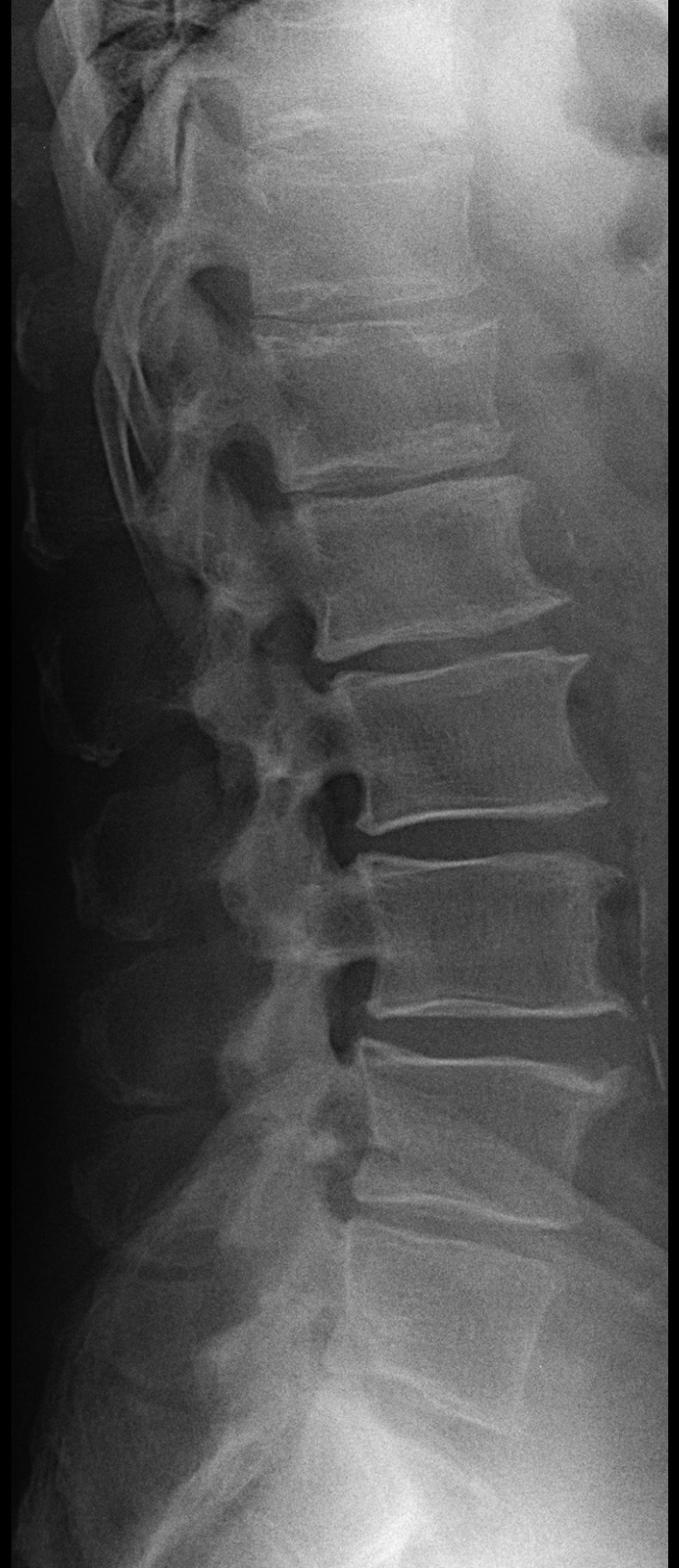
Understanding the L6 Vertebra
The human spine is typically described as having 33 vertebrae, which include 7 cervical vertebrae in the neck, 12 thoracic vertebrae in the upper back, and 5 lumbar vertebrae in the lower back, with the additional 5 fused sacral vertebrae.
However, not all people conform to this standard model of development. Variation in the segmentation of the spine is relatively common; hence, an individual may superficially appear to have six lumbar vertebrae instead of the typical five.
L6 vertebra is not a disease or diagnosis. It is an anatomical variation, which happens during the developmental period before birth. Most people having L6 vertebra do not show any symptoms and may never know that they have this kind of variation unless it is accidentally found out on an X-ray.
In certain altered anatomies, altered forces may be applied through biomechanics of the spine, vertebral numbering, and the manner in which forces are distributed through the lower back and pelvis.
L6 Vertebra — How Can It Occur?
Three common descriptions of how a person may be said to have an L6 vertebra:
1. Lumbarisation of the First Sacral Vertebra (S1)
The most common cause of an apparent L6 vertebra is lumbarisation - where the topmost segment of the sacrum fails to fully fuse with the rest of the sacrum during development and instead takes on more of the traits of a lumbar vertebra.
As a result, the spine looks like it has six lumbar vertebrae and only four fused sacral segments. This variation is what we call a lumbosacral transitional vertebra (LSTV). Depending on the degree of separation, the 'extra' vertebra may either move just like a normal lumbar segment or be partly fused to the sacrum. (The Whole spine count remains the same)
2. Numerical Variation of the Spine (Extra)
In some individuals, the last lumbar vertebra is simply a mobile one, and this represents a normal variation of spinal segmentation. Such a person indeed has six lumbar-type vertebrae, and there is no clear-cut case of lumbarisation or sacralisation.
These numerical variations are rare but well established in spinal anatomy. Because the vertebral count deviates from the typical pattern, it's important to take extra care with imaging and numbering to make sure spinal procedures, injections, and surgery are performed at the right level. (in this case the person actually has an additional vertebra and the whole spine count increases from 33 to 34).
3. Numbering Differences and Transitional Anatomy
In some cases, an apparent L6 vertebra may result from differences in counting the spine rather than the presence of a truly additional vertebra. Transitional anatomy at the thoracolumbar or lumbosacral junction can complicate vertebral numbering.
In Some people there maybe Ribblets at the T12 level meaning the ribs did not fully form in this case this level is then named L1. This person then has 6 lumbar vertebra and only 11 Thoracic. Their whole spine count remains the same.
A radiologist might count a transitional vertebra as an extra lumbar vertebra, and another specialist might name the same structure a lumbarised sacral segment. So, one report could read six lumbar vertebrae and another lumbosacral transitional vertebra. Both interpretations could very well be pointing at the same anatomy. (A truly experienced surgeon should count the vertebrae themselves to ensure it has been correctly labelled and not just read the radiologist report).
L6 Vertebrae and Bertolotti Syndrome(Bsy)
An L6 vertebra and Bertolotti Syndrome(Bsy) are not the same condition, but they are and can be related; Bertolotti Syndrome(Bsy) is defined as pain arising from a lumbosacral transitional vertebra due to pseudeo-articulation, fusion, degeneration, or any other reason that alters its biomechanics.
Some people harbouring an L6 vertebra can be absolutely asymptomatic. Others may present with changes in motion, altered distribution of load, accelerated degeneration, as well as nerve irritation or pain arising from the transitional segment. The mere presence of an L6 vertebra does not mean that the person has Bertolotti Syndrome(Bsy). It is the anatomy that will determine whether the symptoms are due to the transitional segment.
Why Accurate Vertebral Numbering Matters
The correct vertebral numbering is of utmost importance in the assessment of spinal ailments. Anomalies in vertebral anatomy can sometimes mislead one in the interpretation of imaging studies or procedural planning.
Therefore, such cases may merit full-spine imaging, rib counting, or advanced imaging techniques to ensure proper identification of the vertebral level. This helps avoid mistakes in diagnosis and minimizes the risk of performing a procedure on an incorrect spinal level.
Conclusion
An L6 vertebra represents an atypicality in the development of spinal segmentation. It may originate from lumbarisation of the first sacral segment, natural numerical spine variance, or differences in vertebral numbering related to transitional anatomy. Although most individuals are asymptomatic, knowledge of the existence of an L6 vertebra is important in considerations of spinal biomechanics, detection of lumbosacral transitional vertebrae, and planning treatment. For patients diagnosed with Bertolotti Syndrome (Bsy), the knowledge of these atypicality’s can give valuable insight into how the spinal structure might be influencing symptoms and overall function.