

Anomaly of the T11 and L6 Vertebra Count
"The Impact of Riblets on Thoracic Anatomy:
The normal spine has 33 vertebrae. In very rare cases, it seems we may have a person with an L6 who only has 11 thoracic vertebrae. And riblets are responsible for this variation.
Patients born with an L6 will also typically have only 11 vertebrae in the thoracic region. To compensate for this extra vertebra they lose somewhere else, the body will adjust by shifting mechanical pressure onto different thoracic vertebrae; as well, the extra lumbar vertebra takes on more force in the lower back. Physiotherapy, exercises, and specialised chiropractic care may be necessary for those with an L6.
Normally, there are 12 thoracic vertebrae and 5 lumbar vertebrae. If riblets pick up on the first lumbar vertebra, that vertebra could be reassigned as a T12- or there might be only 11 thoracic vertebrae and six lumbar vertebrae, which could be referred to as L6. This is often cited in anatomy texts.
Patients with unique spinal anatomy should be treated with compassion. Failure to diagnose and treat patients with baseline anatomy using generalised treatments can lead to injury, and therefore ethics dictate that providers must obtain informed consent and read imaging carefully, as well as consult with colleagues when treating a patient with an L6 and an 11- thoracic.
Riblets are small bony remnants of ribs articulating with the transitional vertebrae, typically found at the junction between the thoracic and lumbar regions. If they develop during embryonic and fetal histogenesis of the skeleton, they can alter the segmentation count of vertebral designation. Because segmentation impacts Hox gene expression and homeotic identity, it will determine if a vertebra will assume a thoracic or lumbar character, hence altering the general count of each.
Anatomically, this variant matters because differing in the number of vertebrae can lead to functional changes, e.g., abnormal biomechanics. Patients with lumbarisation of S1 are more prone to lower back pain. Since the spinal nerve roots will be shifted up or down one level, it's important for Health Care professionals to realise this while interpreting findings. This also holds true for viewing films prior to any spinal surgeries. When counting "vertebral levels" as a surgeon backward from C7 or forward from S1 to help them know where they are at during surgery, they may well be at a different vertebral body than the one they are counting.
Health Professionals need to count properly and understand why.
Riblets will give you the answer to understanding why he/she has an L6 vertebra but only 11 thoracic segments. Identifying these anomalies will guide you in planning the most appropriate treatment, with due regard to normal vertebral development and for the best clinical outcome.
Figure 1. Posterior view T11 and Six Lumbar
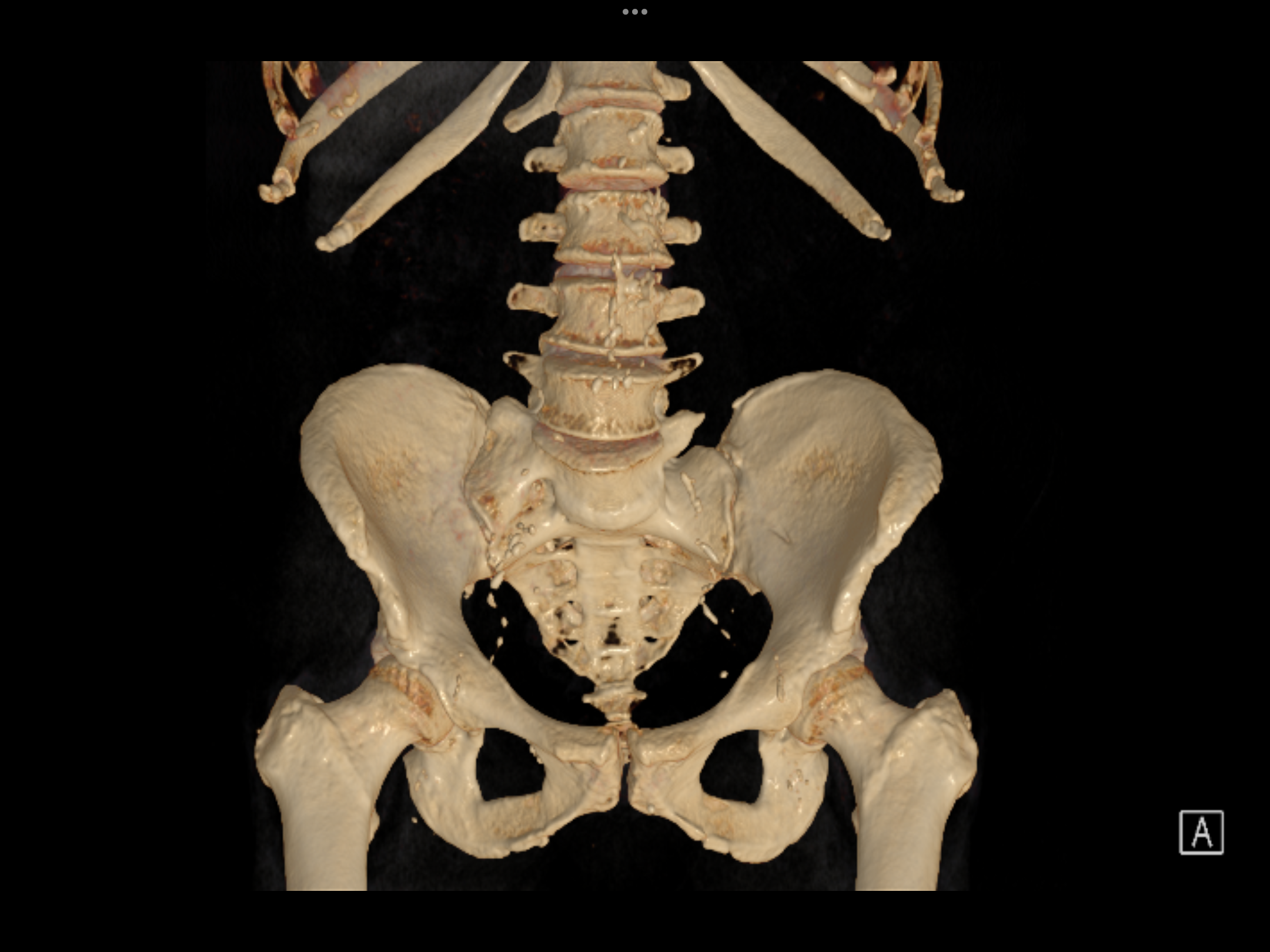
Figure 2. Anterior View T11 and Six lumbar